Comments Off on SGA Keynote speaker Prof. Jochen Kolb in Prague
On May 5, 2026, the SGA Student Chapter Prague had the honour of welcoming Prof. Dr. Jochen Kolb for a lecture titled Lithium Resources in Geothermal Brines of the Upper Rhine Graben and Possible Extraction Technologies, held as a seminar for the entire geological section of the Faculty of Science, Charles University in Prague. In total, 31 participants attended the seminar.
On April 9, members of our Chapter, the SGA Baltic Student Chapter, and the SEG Student Chapter Freiberg began the Hungarian field trip at the Gánt bauxite deposit. Here, we were introduced to the regional geology of Hungary as well as the local geology of the deposit. Apart from the aluminium ore, we collected some high-quality UV-active gypsum crystals. The day continued at the Nagybörzsöny ore district, a highly evolved hydrothermal system with unusual bismuth–tellurium mineralisation, and concluded with panning almandine garnets from stream sediments.
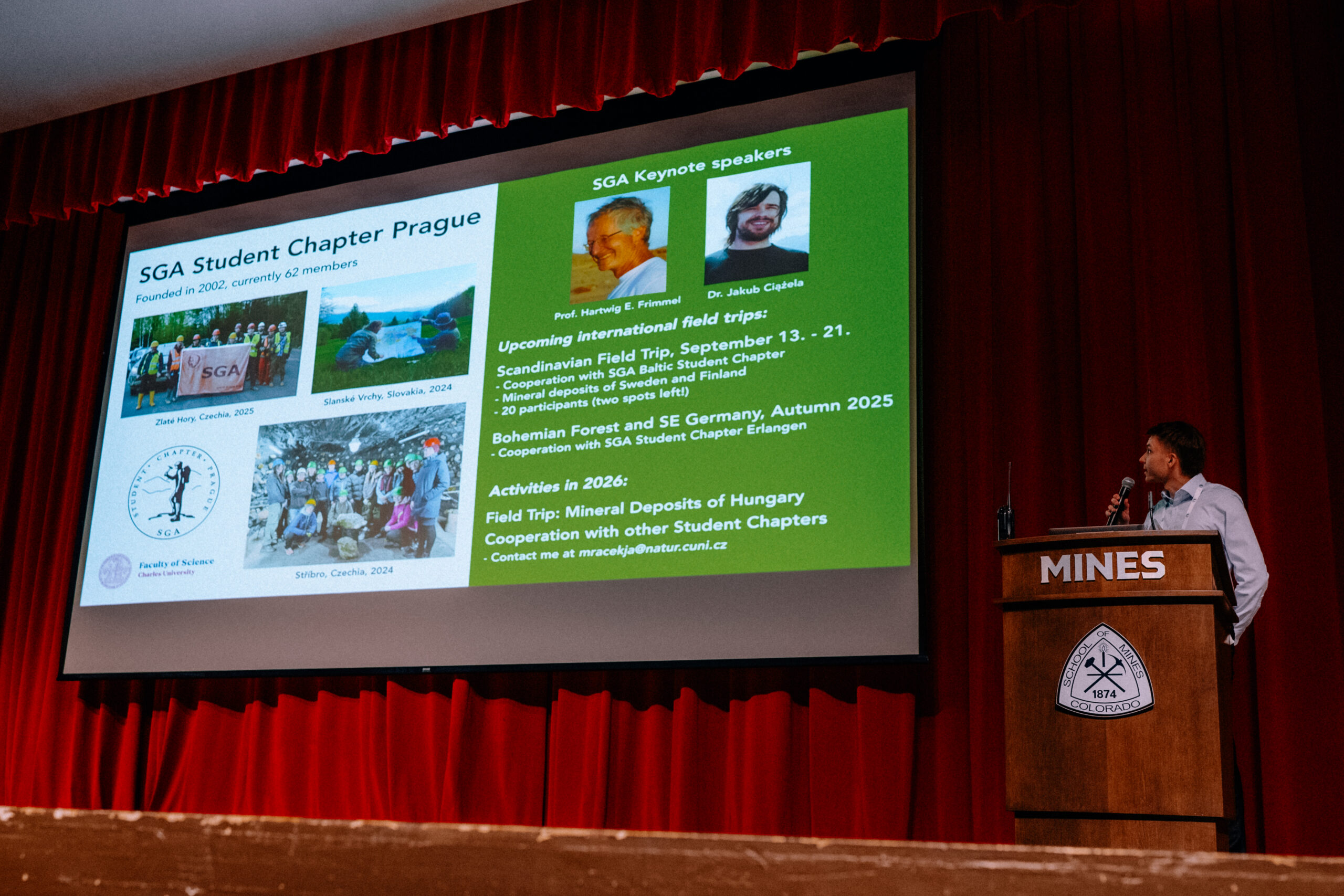
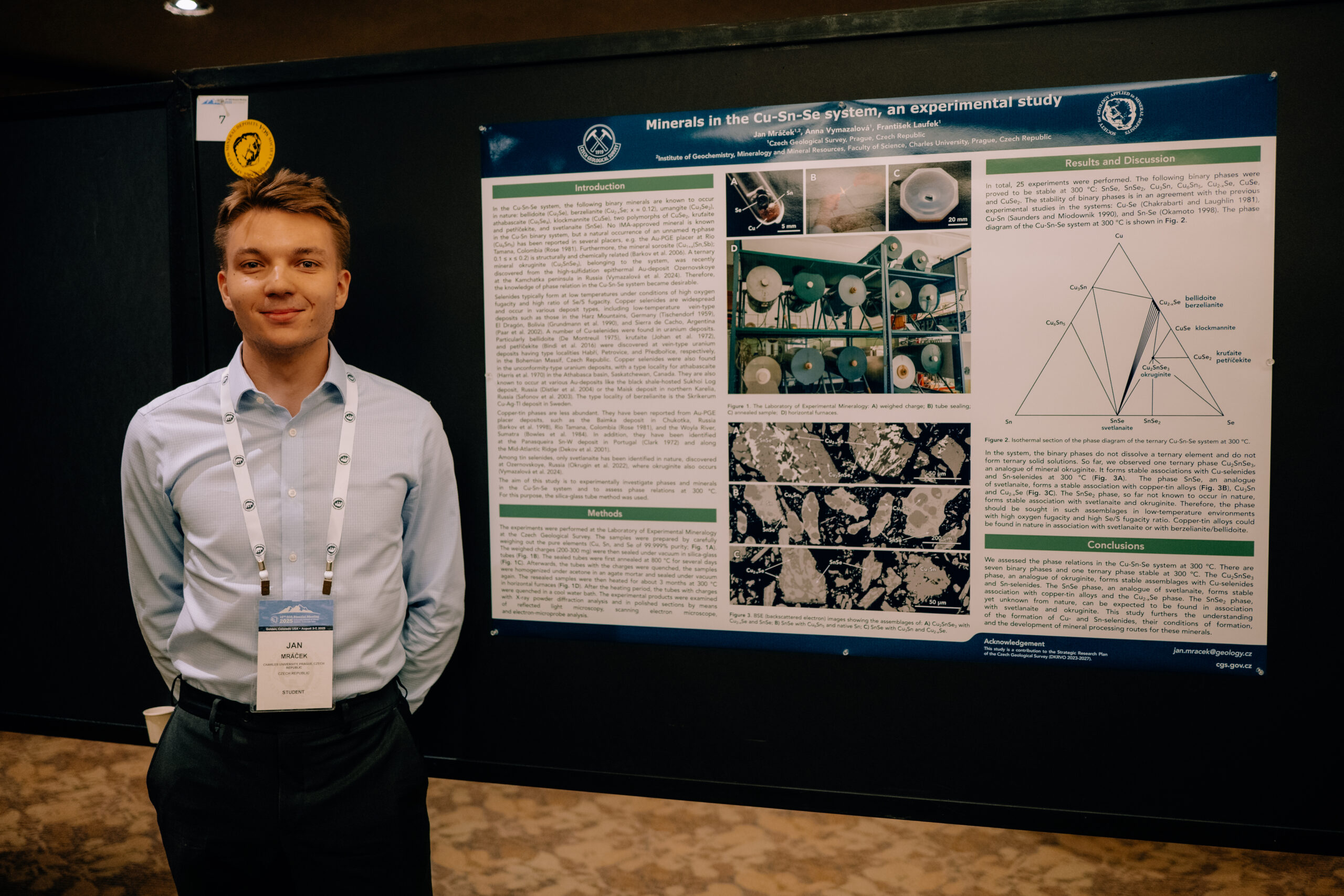
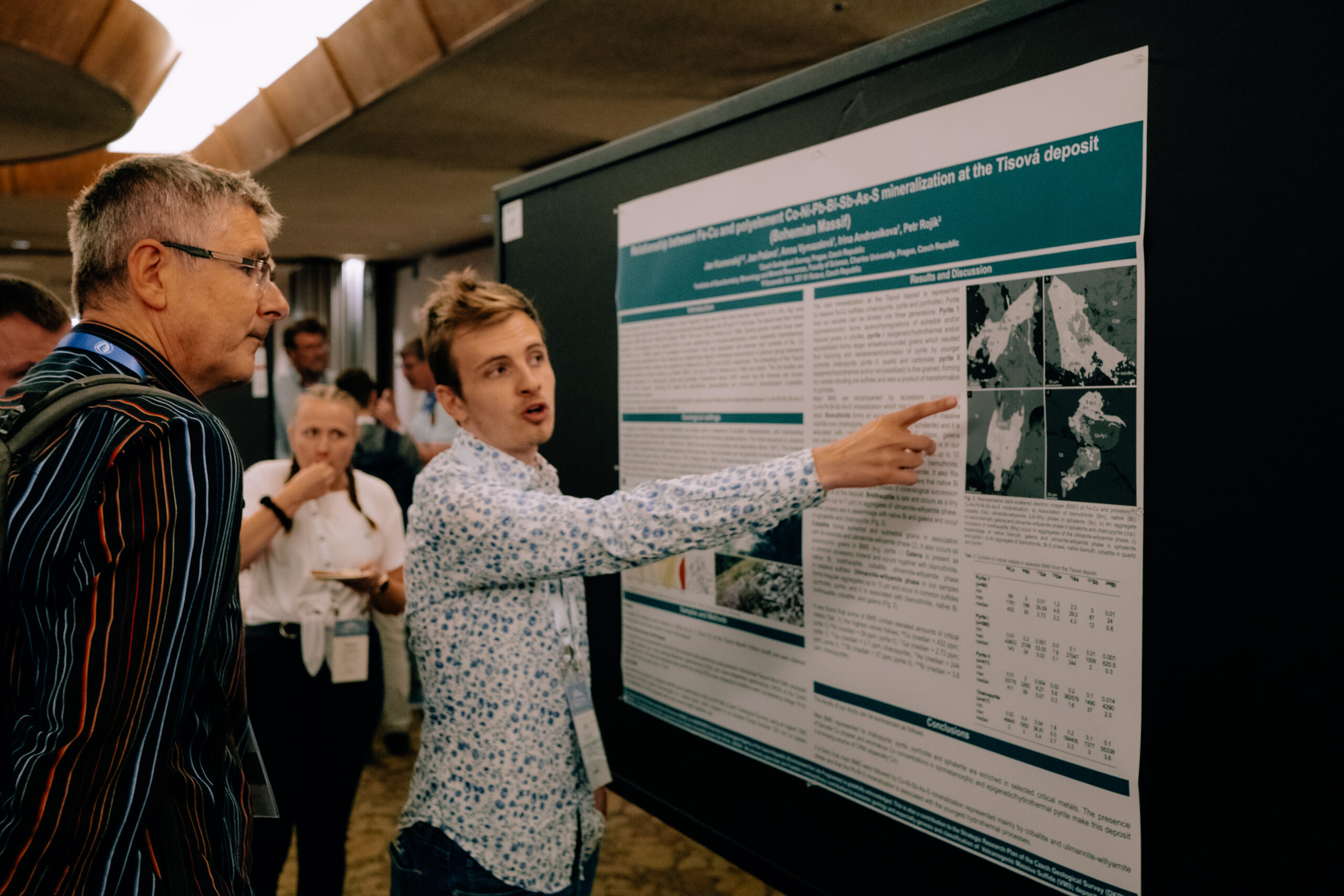
In August, we had the honor of representing the SGA Student Chapter Prague and Charles University at the 18th SGA Biennial Meeting in Golden, Colorado. We presented our research, joined inspiring lessons and plenary talks on ore deposits and critical minerals, built international networks and friendships, and in person explored world-class geology on several field trips. We are grateful to SGA for organizing this incredible meeting and for their continuous support of geology students. Get ready for the 2027 19th SGA Biennial Meeting in Perth, Australia!
Comments Off on Field Trip to the Au-VMS deposit Zlaté Hory, Czech Republic
Jakub Ptáček, SGA Student Chapter Prague
At the end of April 2025, the SGA Student Chapter Prague organised another of its many excursions – this time to Zlaté Hory (Golden Mountains), located in the northern part of the Jeseníky Mountains. The goal of the excursion was to explore local geological points of interest, including minerals of Alpine paragenesis and those associated with the rock listvenite („krupník“ in Czech). The highlight of the trip was a descent into the Zlaté Hory gold mine, where exploration is currently underway on a previously unmined gold-bearing body. Nine chapter members participated in the three-day excursion, on which members Jan Mráček, Jan Kamenský, and Michal Čurda took charge of both the logistical coordination and the provision of expert guidance. The Zlaté Hory area geologically belongs to the Variscan orogenic zone of the Bohemian Massif, also known as the Moravo-Silesian Zone. It lies in the highly deformed contact zone between the Keprník and Desná units (domes). The area’s geological evolution is highly complex and remains an active subject of scientific discussion.
From a geological perspective, the two units differ significantly and undoubtedly had distinct origins. The Keprník Unit is composed primarily of strongly metamorphosed sedimentary and volcanic rocks, such as paragneisses, phyllites, and amphibolites, which are characterised by a high-grade metamorphism typical of the amphibolite facies. In contrast, the younger Desná Unit consists mainly of weakly metamorphosed sediments, including phyllites, schists, and greenschists, corresponding to the greenschist facies. The most widely accepted interpretation suggests that the Keprník Unit forms a nappe structure thrust eastward over the (para)autochthonous Desná Unit.
The first stop of the excursion was the locality Sobotín, known for its well-formed epidote crystals and as a classic site for the preview of Alpine paragenesis minerals. Although previous extensive collecting by mineral enthusiasts has reduced the locality’s productivity, several noteworthy specimens were nevertheless obtained for the collection. The epidote veins at this site were originally discovered by chance during the construction of a road leading to the next stop of the excursion – the nearby Smrčina quarry. The primary focus at this locality was the rock listvenite, which was historically utilised in local ironworks. In addition to listvenite, collectors can also find talc and small but well- formed magnetite crystals. The final stop of the day was the beryl-bearing pegmatites of Střelecký Důl near Maršíkov and its surroundings. While the pegmatite at Střelecký Důl was historically mined primarily for feldspar, the locality is best known for its exceptional beryl crystals, including occasional aquamarine, which could reach lengths of up to 10 cm.
The second day of the excursion was dedicated entirely to the modern gold mine operated by the state- owned company DIAMO, located in the Zlaté Hory ore district. Between 1990 and 1993, underground mining was conducted here, targeting gold hosted in quartz veins alongside pyrite, sphalerite, galena, and other sulfide minerals. Currently, exploration of the deposit is underway in the previously unmined sections of the ore body due to its potential for future extraction. The investigation involves drilling across the old mine adits to estimate the remaining reserves. According to information from DIAMO, as of 2025, approximately 4 tonnes of gold, 500 tonnes of copper, and significant quantities of other commodities, such as zinc, germanium, and gallium, have been identified as potential resources.
Upon arrival at the site, we received comprehensive training and were equipped with all necessary safety gear, including a rescue breathing apparatus. In the mine, we received an overview of the deposit along with a detailed explanation of all activities related to its exploration. They also showed us several quartz veins filled with various sulphides, primarily pyrite and chalcopyrite, that often
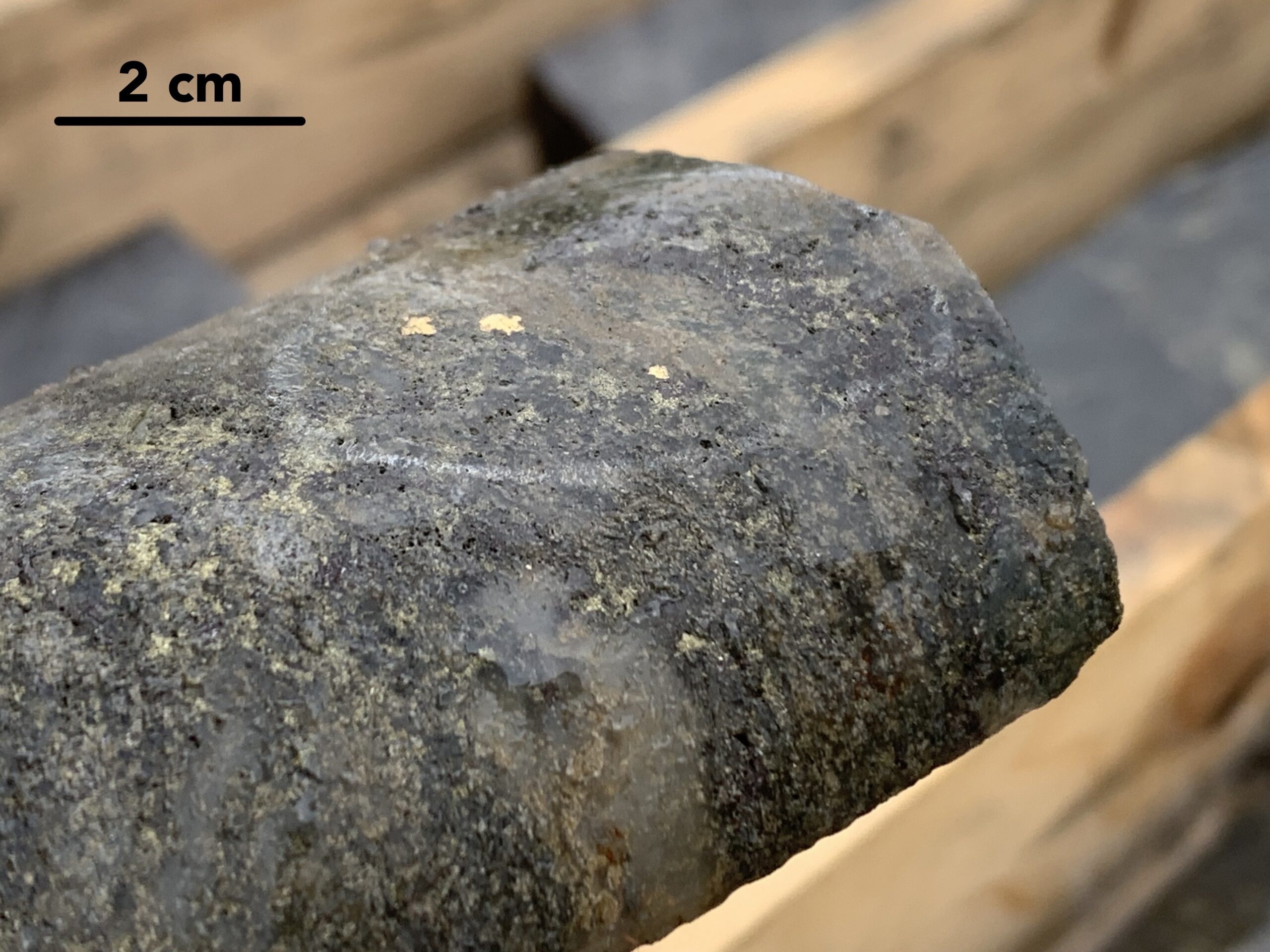
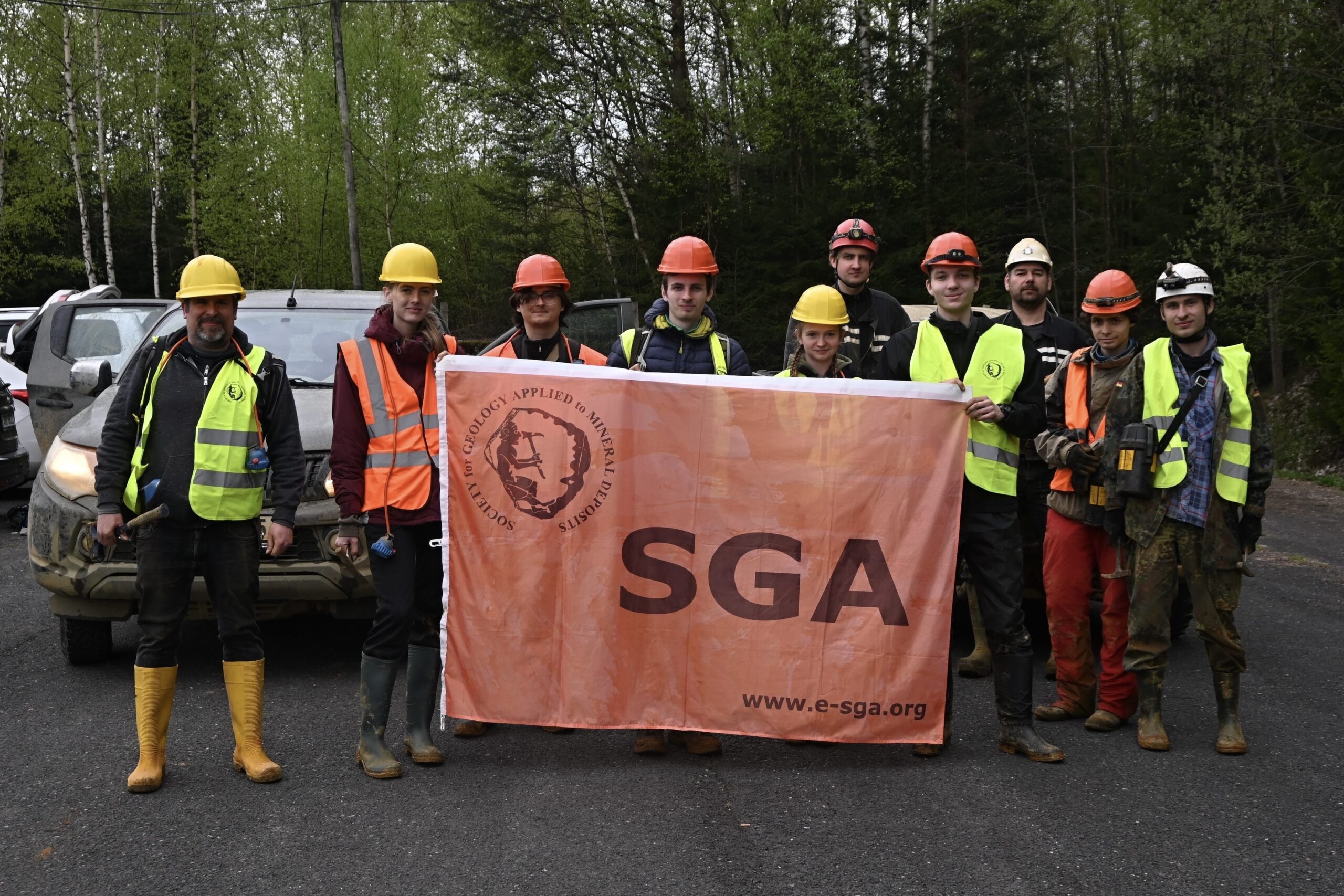
contain microscopic grains of gold. Our time underground was, for safety reasons, limited, so the rest of the briefing took place in an outdoor building where DIAMO stores the drill cores from the exploration (Fig. 1). Visiting the mine was an unforgettable experience for all of us, and we are very grateful to Tomáš Žitný, as well as whole DIAMO for making it possible (Fig. 2).
At the end of the second day, we visited the nearby Poštovní štola adit from the medieval ages (Fig. 3). The earliest records of copper and other ore mining at this site date back to the early 16 th century. This brief stop enriched our geological knowledge with the historical development of mining in the Zlaté Hory ore district. On the final day, we made one last stop at a marble quarry near the town of Lipová, where we learned interesting details about the local marble, its extraction methods, and the reclamation efforts carried out after mining operations.
Fig. 1 – A drill core containing macroscopic grains of goldFig. 2 – A group photo with our guides from DIAMOFig. 3. The Poštovní štola adit in Zlaté Hory
Comments Off on SGA Keynote Speaker Dr. Jakub Ciążela in Prague
Jan Mráček, SGA Student Chapter Prague
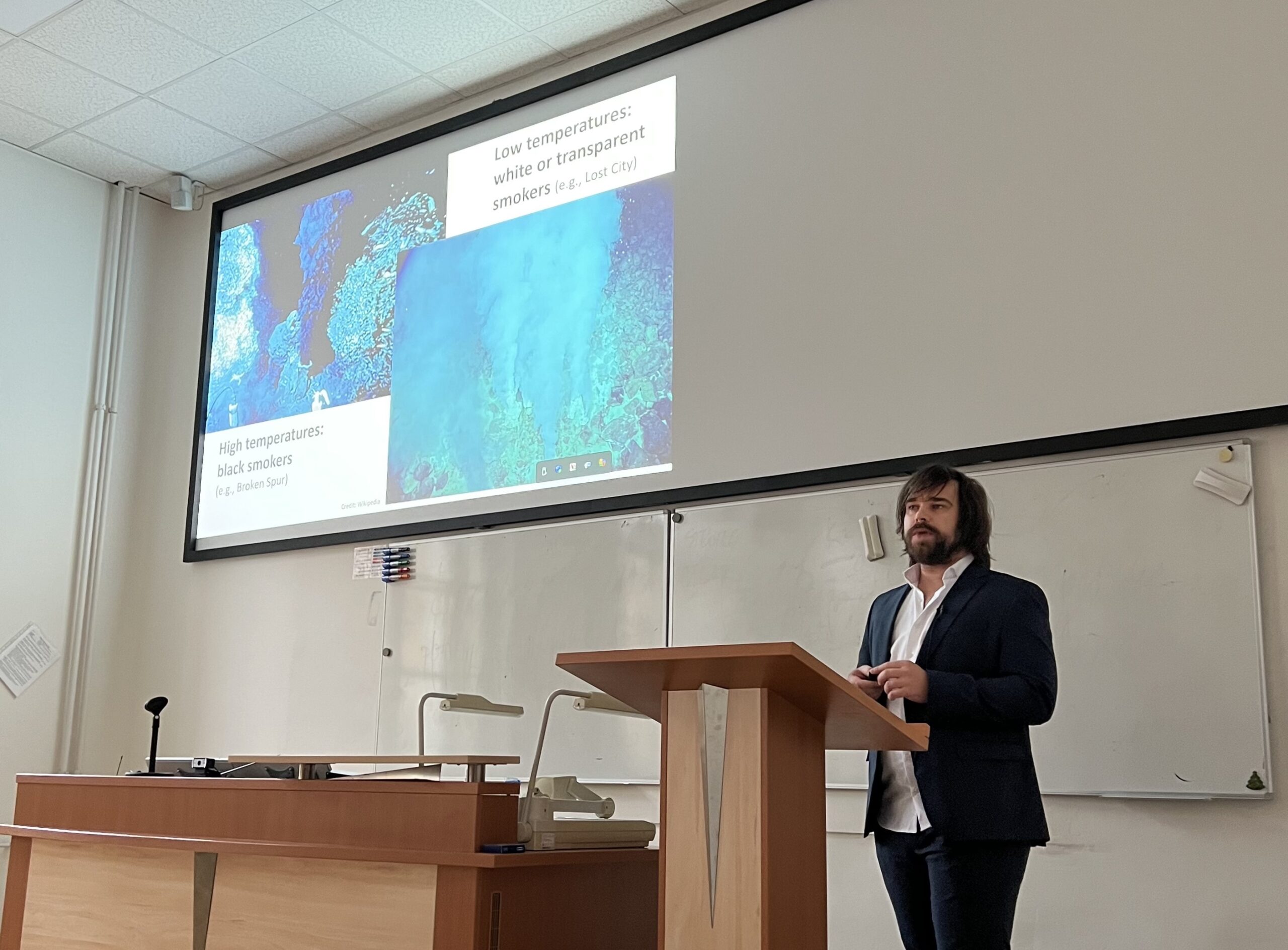
The SGA Student Chapter Prague had the honour of welcoming Dr. Jakub Ciążela to a special seminar titled Unlocking the Ocean’s Treasure: Metal Migration, Ore Formation, and Exploration of Polymetallic Deposits in the Oceanic Lithosphere. The lecture took place on December 3rd at the Faculty of Science, Charles University in Prague.
Dr. Ciążela completed his master’s and PhD degrees at Leibniz Universität Hannover, Germany, where he focused on the geochemistry of chalcophile elements in the oceanic crust. During his postdoctoral studies at the Polish Academy of Sciences, he became actively involved in extraterrestrial geology. He is now an Assistant Professor at the Polish Academy of Sciences, where he continues to explore these two interesting fields – planetary geology and ore formation processes in the Earth’s mantle and the lower oceanic crust.
This lecture provided a unique perspective on the fascinating processes of metal migration, which are crucial for understanding geological processes and the formation of mineral deposits. In his lecture, Dr. Ciążela introduced us to the different types of polymetallic deposits in the oceanic lithosphere, explained their formation, and presented the results of his research. He shared his own experiences from drilling ship expeditions and introduced us to a fascinating methodology for studying such polymetallic systems. The seminar was also streamed online, with 20 participants joining from various countries around the world, including Poland, Germany, Italy, Australia, and Argentina. The lecture was recorded as well – if you are interested in accessing the recording, please email the president of the SGA Student Chapter Prague, Jan Mráček (mracekja@natur.cuni.cz).
The seminar was held in cooperation with the SGA Student Chapter Prague and the Institute of Geochemistry, Mineralogy and Mineral Resources, Faculty of Science, Charles University. The event was fully funded by the SGA Keynote Speaker Program.
Acknowledgments
We sincerely thank Dr. Jakub Ciążela for his outstanding lecture and extend our gratitude to the SGA Keynote Speaker Program for its essential support in making this event a success.
Fig.1 – Dr. Ciążela delivering the lecture in the Mineralogy Lecture Hall.
Comments Off on SGA Student Chapter Prague autumn field trip to the Ore Mountains, Czech Republic (petrological overview, mining history, and current mineral deposits)
Jan Kamenský1,2, Jan Kulhánek1
1Faculty of Science, Charles University, Prague, Czech Republic 2Czech Geological Survey, Prague, Czech Republic
The SGA Student Chapter Prague honours its long-standing tradition of organizing an annual autumn field trip, and this year was no exception. Scheduled for late autumn (November 17–19, 2023) the trip was strategically planned to allow the participation of first-year bachelor geology students. Our destination of choice this year was the captivating mineralogical sites and historically significant localities of the Ore Mountains in the NW Czech Republic. Sixteen students participated in the excursion, led by chapter advisor Dr. Jan Kulhánek and president Jiří Klepp.
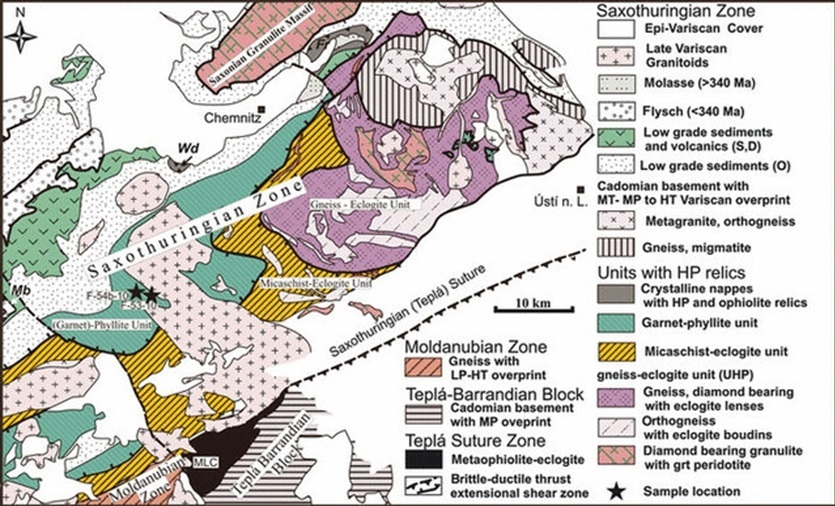
Geological settings: The European Variscan Belt finds its easternmost exposure in Central Europe, shaping the Bohemian Massif. The Ore Mountains, a historically significant mining region, are situated within the Saxothuringian Zone (SZ), the SW–NE-trending belt which extends in the NW part of the Bohemian Massif (see Figure 1). The SZ is tectonically separated from the Teplá-Barrandien unit (TBU), lying along its southeastern border. Within this framework, the SZ represents the lower plate that underwent subduction beneath the hanging wall of the TBU along a prominent Variscan suture (e.g., Franke, 1989; Jouvent et al., 2022). Comprising primarily complexly over-thrusted and over-folded metamorphic nappe units of diverse metamorphic grades, the Ore Mountains exemplify accretionary wedge formation between the SZ and TBU. From the deeper levels of the subduction channel, rocks of high- to ultra-high-pressure metamorphism, such as eclogites, blueschists, and coesite- or diamond-bearing paragneisses and granulites, have been exhumed (see Jouvent et al., 2022). The Variscian and post-Variscan tectono-magmatic activities are closely associated with the formation and subsequent remobilization of the polymetallic ores in the area. The Bohemian Massif also underwent significant magmatic and volcanic activity during the Cenozoic era. Much of this volcanic activity was concentrated along the Eger Rift, aligning with the Saxothuringian Variscan suture, and constituting the northeastern branch of the European Cenozoic Rift System (Ulrych et al., 2011). Evidence of this volcanic activity is also observable in the Ore Mountains, where well-preserved remnants of Cenozoic volcanism, erupting through the metamorphic basement, form prominent hills in the surrounding landscape.
Figure 1. The schematic geological map of the Saxothuringian Zone according to Faryad & Kachlík (2013).
1st day: The field trip began at the hut at Boží Dar, an old mining town near the Czech-German border, on the evening of November 16, 2023, which served as our base for the entire excursion. The following morning, November 17th, visit of several localities followed after the broad geological introduction at the hut. Our first visit took us to Abertamy town, where we visited private collection of mining artifacts and ore minerals sourced from the surrounding localities, such as Abertamy, Jáchymov, or Stříbro.
Continuing our trip, we embarked on a brief tour of the surrounding of the closed Mauriticius mine, the oldest tin mine in the Czech part of the Ore Mountains, with its origins tracing back to the 16th century. This historical site, now open for tourists, offered a glimpse into centuries-old mining practices. Our time at the Mauriticius mine also afforded opportunities for mineralogical sampling, with notable finds including specimens of hematite and quartz (amethyst variety) sourced from the mine’s excavation sites and observation of the metasomatic process causing formation of greisens and associated tin mineralization along the veins cutting the granitic body. In the vicinity of the Mauritius mine was also possible to observe Schnepp’s pinge, a sinkhole formed atop the remnants of a former tin mine, following the steep vein planar orientation. In the vicinity of the Mauritius mine was also possible to observe Schnepp’s pinge, a sinkhole formed atop the remnants of a former tin mine, following the steep vein planar orientation.
Our itinerary then led us beyond the confines of the Ore Mountains to the significant mineralogical site of Huber Stock, situated near Horní Slavkov (GPS: 50° 8′ 19″ N, 12° 48′ 28″ E). Geologically characterized as a greisenized plutonic elevation, Huber Stock stands as a testament to the region’s diverse mineral wealth, with notable occurrences of tungsten and tin mineralization. Historical records indicate subsurface mining activities dating back to the 13th century, with a notable period of pit quarry operations from 1973 to 1976. Notably, Huber Stock boasts a rich mineralogical diversity, with 117 documented minerals, including five designated type localities, underscoring its significance in the field of mineralogy.
2nd day: Our second day of the trip began with a visit to Meluzína Hill, a prominent feature in the landscape. Comprised mainly of eclogite, a high- to ultra-high metamorphic rock, Meluzína Hill offers insights into the region’s geological history. Originating from the subducted oceanic Saxothuringian plate, the rock was subducted deep beneath the TBU plate into the Earth’s mantle before being exhumated back to the crustal levels, shedding light on past plate tectonic processes. Discussions at the site focused on reconstructing the pressure-temperature conditions that shaped these rocks, along with an examination of the “atoll texture” of garnets commonly observed in metamorphic rocks of the area.
Our journey then took us to Horní Halže, where we explored remnants of iron ore mining. Here, a small heap served as a reminder of the area’s industrial past, with quartz veins often displaying a distinct violet color, earning the site the nickname “Amethyst heap.”
Next, we visited Mědník Hill in Měděnec, where iron ore extraction occurred from the 15th to the 19th century. The site’s skarn body, associated with the polymetallic mineralization, showcased visible garnet, diopside, and magnetite grains, providing insights into the region’s mining heritage.
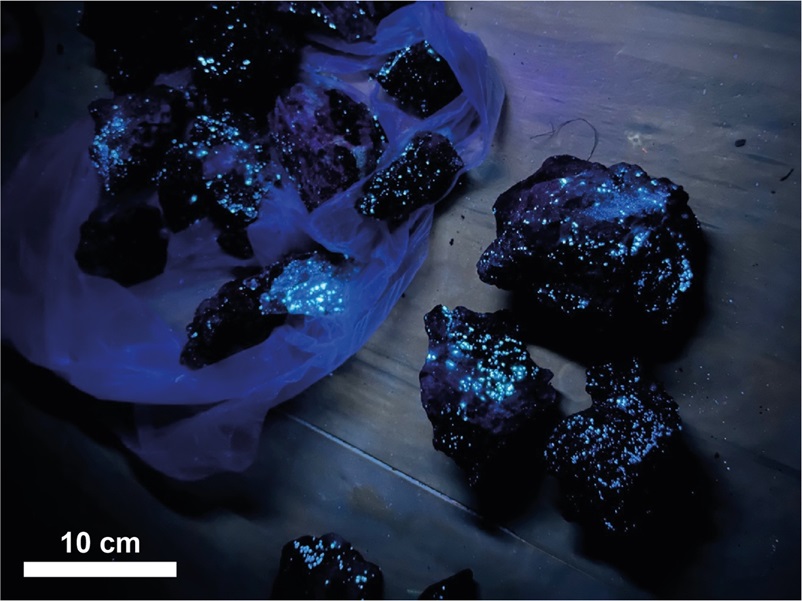
Finally, we arrived at Volyně u Kadaně, a forested area housing loose rocks indicative of mining activity focused on a quartz hydrothermal vein renowned for the associated fluorine and tungsten mineralization. Characterized by a brecciated and honeycombed texture due to fluorite leaching, the vein revealed small fluorite and scheelite crystals, well-recognizable under the short-wave UV light (Figure 2).
Figure 2. Photo of collected scheelite-rich samples from the site Volyně u Kadaně under short-wave UV light. Photo by A. Ignasheva.
3rd day: Our final day began with a visit to the Kovářská site, where we examined fluorite-barite veins that were actively mined in the 1970s and 1980s. Though mining activities have ceased, remnants of these veins remain, offering opportunities for mineral collection. Participants had the chance to collect specimens of fluorite and barite from surrounding mining heaps, providing tangible connections to the area’s mining history. Moving on, we also visited a reclaimed heap near Hradiště u Kadaně, focusing on collecting hematite crystals, characteristic of the area. Our excursion concluded at the Blahuňov locality, known for hydrothermal veins cutting through gneiss formations. Here, participants observed collectible fluorite-quartz specimens, with the quartz exhibiting a carnelian variety.
With our cars loaded with mineral samples, we concluded our excursion and returned to Prague, reflecting on our experiences over the past three days. Our exploration had not only yielded valuable specimens but also deepened our understanding of the mining and geological history of the Ore mountains.
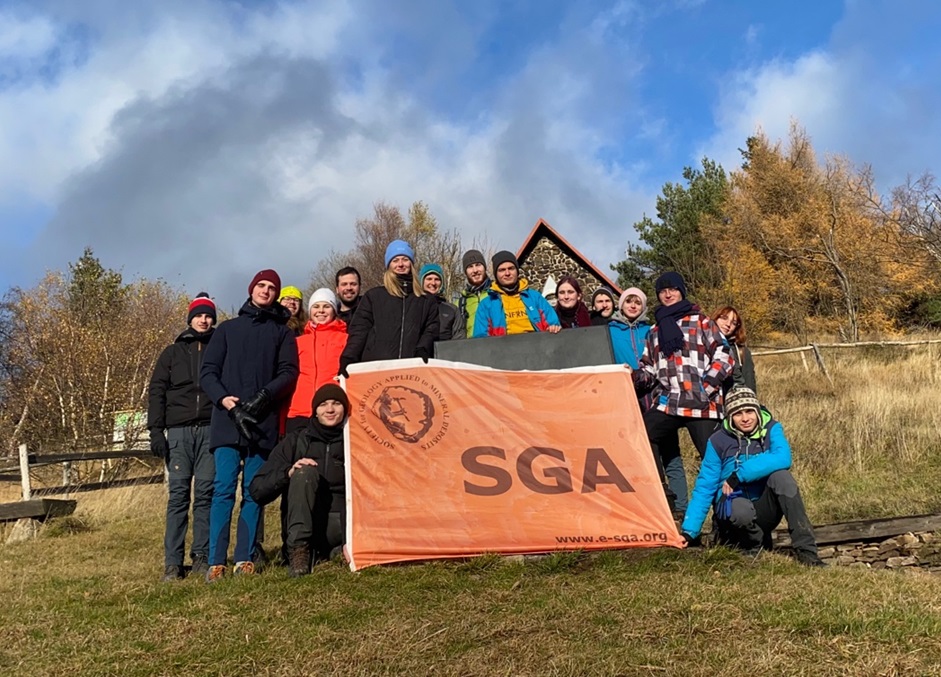
Figure 3. Group photo in front of the historical mining gallery in Měděnec. Photo by J. Klepp.
Acknowledgments: We wish to extend our gratitude to the company Severočeské uhelné doly a.s. and to the UNESCO International Geoscience Programme (project ČNK-IGCP 637) for their financial support.
References: Faryad, S. W., & Kachlík, V., 2013. New evidence of blueschist facies rocks and their geotectonic implication for Variscan suture (s) in the Bohemian Massif. Journal of metamorphic Geology, 31(1), 63–82.
Franke, W., 1989. Tectonostratigraphic units in the Variscan belt of central Europe. Geological Society of America Special Paper, 230, 67–90.
Jouvent, M., Lexa, O., Peřestý, V., & Jeřábek, P., 2022. New constraints on the tectonometamorphic evolution of the Erzgebirge orogenic wedge (Saxothuringian Domain, Bohemian Massif). Journal of Metamorphic Geology, 40(4), 687–715.
Ulrych, J., Dostál, J., Adamovič, J., Jelínek, E., Špaček, P., Hegner, E., & Balogh, K., 2011. Recurrent Cenozoic volcanic activity in the Bohemian Massif (Czech Republic). Lithos, 123, 133–144.