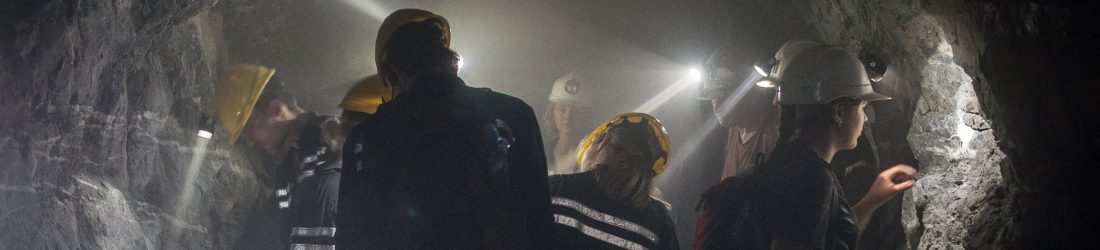


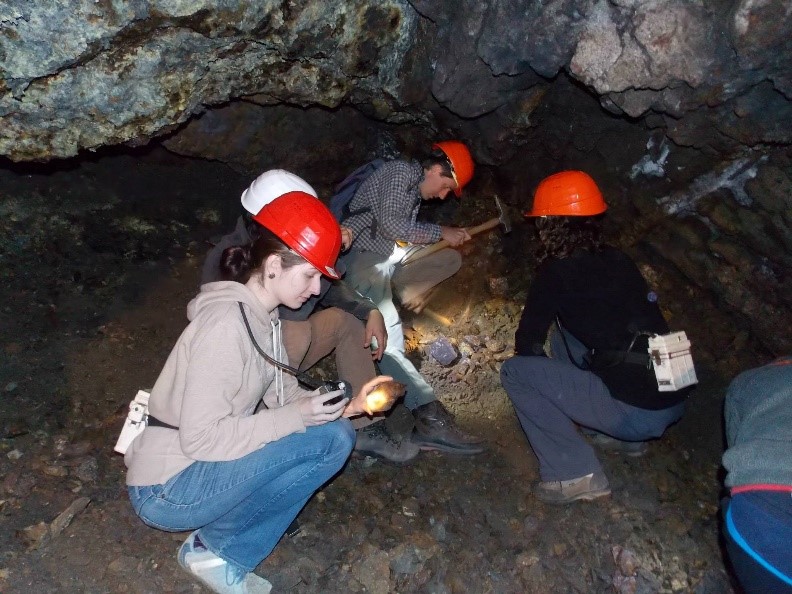
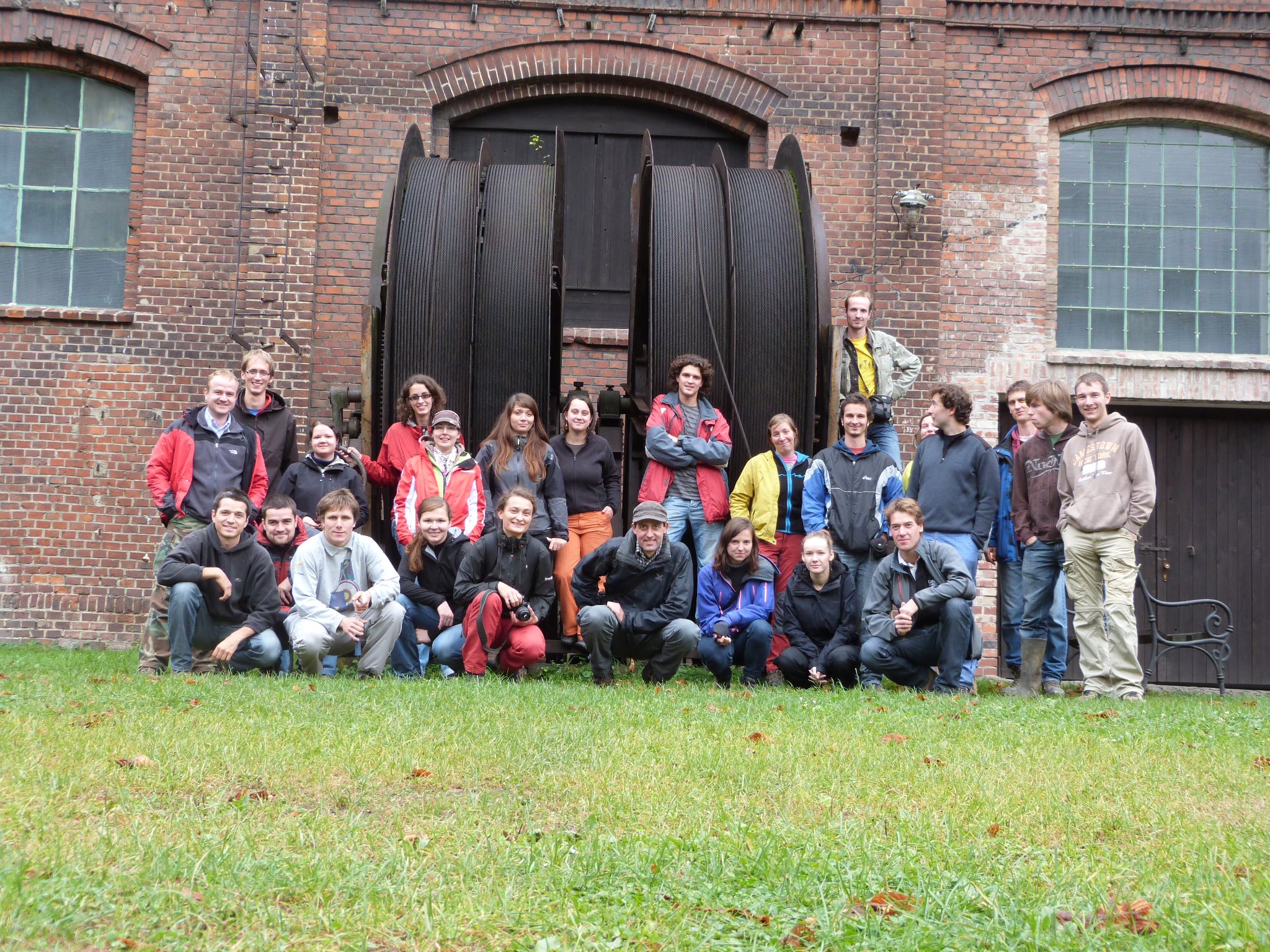
The SGA Education Fund, established in 2013, funded as its first educational activity the student-oriented short course on Gold Deposits: From Theory to Exploration Practice. The short course was presented by Professor David Groves, University of Western Australia and hosted by the SGA Student Chapter Prague on September 14-16, 2013. David Groves is an Emeritus Professor at the University of Western Australia, where he helped establish the Center for Exploration Targeting. He has co-authored more than 500 publications mainly in the fields of Archean evolution, komatiite-associated Ni-Cu deposits, orogenic gold deposits, the role of lithosphere in global metallogeny, and prospectivity mapping. During his career, he also supervised over 85 Ph.D., 55 M.Sc. and 120 B.Sc. Hons. thesis projects at the University of Western Australia and elsewhere. He was elected President of the SGA, SEG and the Geological Society of Australia, and for his career-long achievements he received both the SGANewmont Gold Medal and the SEG Penrose Gold Medal. His willingness to organize this short course symbolizes his personal gift to the SGA Education Fund. The course consisted of four lecture sessions devoted to exploration techniques and strategies (first day), with focus on geological settings, mineralization and alteration styles and global geodynamic context during the following days. The principal focus of the second-day presentations aimed at intrusion-related, iron-oxide copper gold and Carlin-type deposits, whereas the last day was devoted to orogenic gold mineralization styles. The big-picture and general – perspective approach was particularly welcome as were detailed genetic models and controls on each mineralization setting.
Publications
Facebook